The best non-woven interlining fabric depends on whether you want to sew it in or fuse it with an iron. YLM1991’s 39-inch sew-in interfacing suits smaller projects, while its wider 59-inch version offers more coverage. Breling adds printed grid lines for measured cutting, UzecPk is an iron-on option, and Sedona Designz offers wide polypropylene fabric for larger craft and DIY uses.
| Product | Best For | Application |
|---|---|---|
| YLM1991, 39″ x 2.18 yd | Smaller sewing projects | Sew-in |
| Breling, 48″ x 4 yd | Grid-guided cutting | Sew-in |
| YLM1991, 59″ x 3.28 yd | Wider project pieces | Sew-in |
| UzecPk Medium Weight | Iron-on application | Fusible |
| Sedona Designz, 60″ wide | Large craft and DIY projects | Nonwoven fabric |
YLM1991 Lightweight Sew-In Interfacing

This 39-inch-wide, 2.18-yard roll is 40 GSM, 100% polyester non-woven interfacing. It is non-fusible, so it attaches through stitching rather than heat. The soft, breathable material can be trimmed with scissors and pinned to the wrong side of fabric before sewing.
Best for: Home sewers who want lightweight sew-in support for quilting, sewing, or craft projects and need a manageable roll size. It was selected as a straightforward option for projects that call for non-fusible interlining. Limitation: Because it has no fusible adhesive, it requires stitching to hold it in place.
Breling Grid-Printed Sew-In Interfacing

Breling’s non-fusible interfacing measures 48 inches by 4 yards and features a 2.5-inch printed grid. The grid is intended to make measuring and marking easier, which can help users cut straight sections for sewing, quilting, and crafts. The material has no hot-melt adhesive and is described as durable and supportive.
Best for: Beginners or crafters who want visible guides when measuring and cutting interfacing. The grid is the main reason to choose it over plain non-woven material. Limitation: It is not iron-on; plan to pin and sew it into the project.
YLM1991 Wide Sew-In Interlining
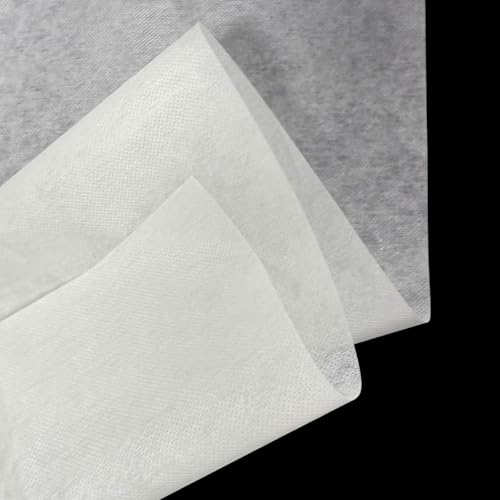
This YLM1991 option uses the same 40 GSM, 100% polyester non-woven, non-fusible construction as the smaller roll, but measures 59 inches wide by 3.28 yards. It is soft and breathable, can be cut with scissors, and is designed to be pinned to fabric before sewing.
Best for: Sewers working with wider pattern pieces or wanting more fabric width for quilting and larger projects. Choose it over the 39-inch version when coverage across the fabric is the priority. Limitation: It is sew-in interfacing, so it does not provide an iron-on application.
UzecPk Medium-Weight Iron-On Interfacing
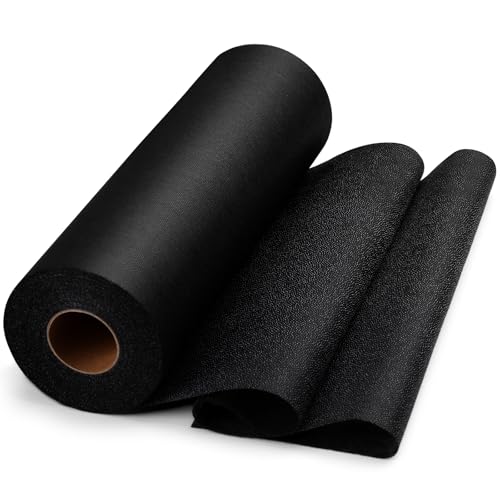
UzecPk is a medium-weight fusible interfacing made from polyester and adhesive. It is described as lightweight, breathable, and easy to cut. The product listing identifies white, black, and gray color options, as well as different size options. To apply it, place the adhesive side against the fabric’s reverse side, cover it with a cotton cloth, and iron according to the product directions.
Best for: Buyers who prefer iron-on attachment instead of pinning and sewing the interfacing in place. Color options may help when matching the backing to a project. Limitation: It requires careful heat application; the instructions say not to iron the interfacing directly.
Sedona Designz 60-Inch Nonwoven Fabric

This 60-inch-wide, 42 GSM fabric is made from 100% spunbond polypropylene and is sold by the yard. The listing describes it as medium weight, lightweight, flexible, and suitable for sewing, crafts, filters, and DIY projects. Its generous width can reduce the need to join smaller pieces on wide projects.
Best for: Makers seeking wide nonwoven material for large craft or functional DIY applications. It offers a different material choice from the polyester sew-in options above. Limitation: The listed details do not specify fusible adhesive, so do not assume it is iron-on interfacing.
Buying Guide: How to Choose Non-Woven Interlining
Do you need sew-in or fusible interfacing?
Sew-in interfacing is attached by stitching, making it a fit for projects where you want to avoid applying adhesive with heat. Fusible interfacing bonds to fabric when applied with an iron according to its directions. Check the product description before buying: “non-fusible” means it will not bond by ironing.
What width and length should you choose?
Compare the roll dimensions with the largest pieces in your project. A wider roll, such as 59 or 60 inches, may suit large pieces or help reduce seams. A narrower or shorter roll can be easier to manage when you only need material for smaller sewing or craft projects. Consider both width and total length.
How much structure do you need?
Weight affects the support an interlining provides. The listed YLM1991 options are 40 GSM and described as light-medium, while Sedona Designz is 42 GSM and medium weight. UzecPk is described as medium weight. Match the weight to your pattern and outer fabric; the provided product details do not establish one universal choice for every fabric.
Are cutting guides or color choices useful?
Printed grid lines can help with measuring and straight cuts, which makes Breling a practical choice for users who want visible guides. UzecPk lists white, black, and gray options. Consider the color and intended placement, especially if the interfacing could show through the outer fabric.
Frequently Asked Questions
What is non-woven interlining fabric used for?
It adds support or stability to sewing, quilting, and craft projects. The exact use depends on the material’s weight and whether it is sew-in or fusible.
Can non-fusible interfacing be ironed on?
No. Non-fusible interfacing does not have iron-on adhesive. It is generally positioned with pins and attached by sewing.
Is non-woven interfacing always polyester?
No. The products listed include polyester and polypropylene options. Check the material composition when fiber type matters for your project.
Which option is easiest to measure and cut?
Breling has a printed 2.5-inch grid intended to help with measuring and marking. For other options, use a ruler or pattern markings to guide your cuts.
Add a Comment